
Niche Perfumery Has Lost the Plot
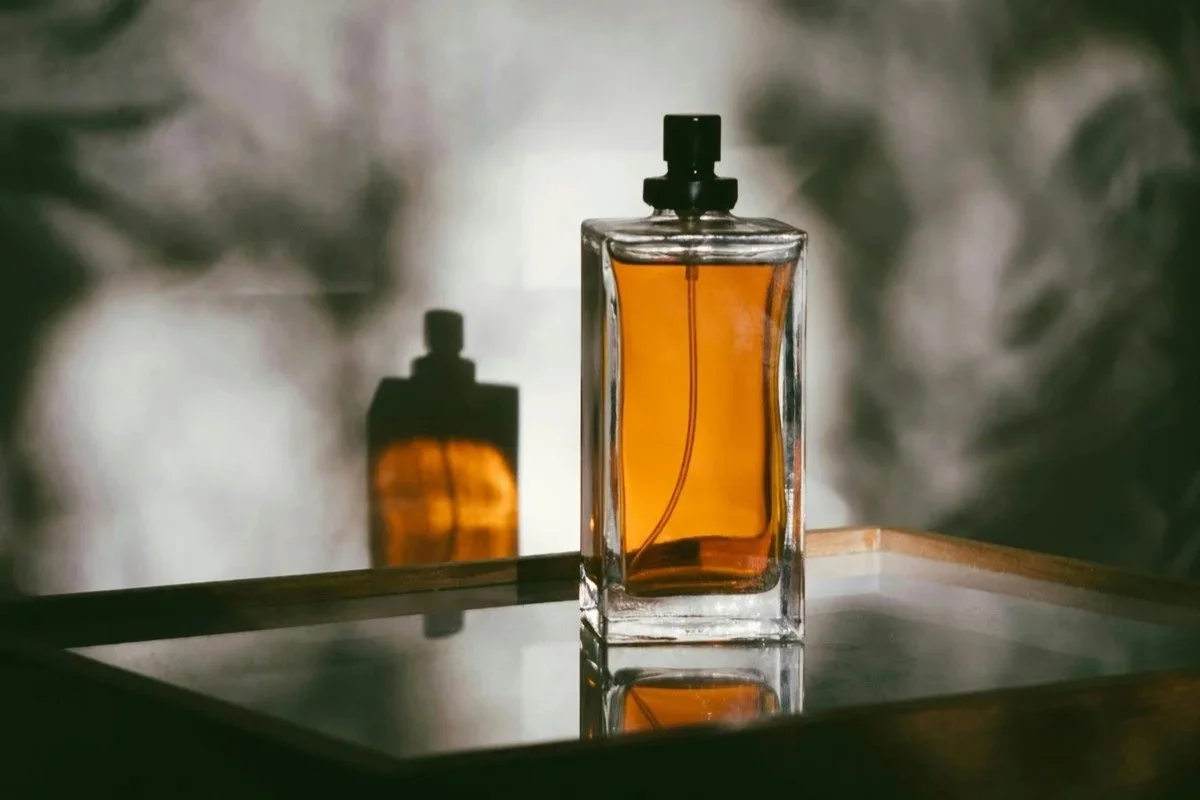
Walk into almost any boutique fragrance counter today and you will hear the word. Niche. It is printed on shelf cards, whispered by sales associates, stamped across packaging in understated fonts. It has become a category, a price tier, a mood board aesthetic. And because it has become all of those things at once, it has effectively become none of them. The word niche perfumery, as it is currently used, no longer tells you anything useful about what is inside the bottle.
I want to be careful here. For a general consumer trying to navigate the difference between a mass-market drugstore fragrance and something made with higher-quality materials and more considered intent, the word still functions as a rough compass. Fine. But for those of us actually working in independent perfumery, actually speaking to a narrower, more specific audience, the term has been stretched so wide it no longer fits. It covers everything from a one-person studio in a converted barn to a brand owned by a luxury conglomerate with a hundred SKUs and a flagship on Fifth Avenue. That is not a category. That is a parking lot.
So what actually separates the work I respect from everything else borrowing the label? I think about it in terms of three pillars. Quality of ingredients, first. A distinct brand point of view expressed through the olfactive compositions, second. And genuine skill in blending and balancing notes and accords into something well-crafted, third. Most houses operating under the niche banner can claim the first pillar reasonably well. Expensive ingredients are accessible if you have the budget and the right supplier relationships. The third pillar, technical craft, is also present in many places, because talented perfumers are not rare. What is genuinely rare, what I find conspicuously absent even in much of the so-called niche world, is the second pillar. A distinct point of view. And its absence is exactly why you can walk through that department store section, or even niche expo for that matter, and smell ten variations of the same amber-rose-woody construction, or the fifth interpretation of a legendary Scottish pine and birch accord, or yet another take on a certain Maison's overly sweet, crystalline musk. Countless versions. It's boring.
It is also understandable, in a sad way. Some of it comes from outsourcing fragrance development to talented perfumers who, working across many clients, inevitably replicate patterns from their own portfolio. Some of it is simply intentional, a calculated decision to chase a proven scent profile and appeal to the widest possible market. Neither approach is independent perfumery. Both are commercial logic wearing a different coat.
For us, the process looks nothing like that. Not because we strain to be different for different's sake, but because every fragrance we create begins from a specific, non-negotiable inspiration point. A landscape. A sense of place with a scent, a texture, a mood, a season, sometimes two seasons held in tension at once. Trends are never in the equation. We are deliberate about not testing other fragrances during our development periods, not out of ego or snobbism, but because creative work requires a kind of zone. A painter does not study other painters' canvases mid-stroke. A cook does not taste someone else's sauce while seasoning their own. You have to stay inside the thing you are making.
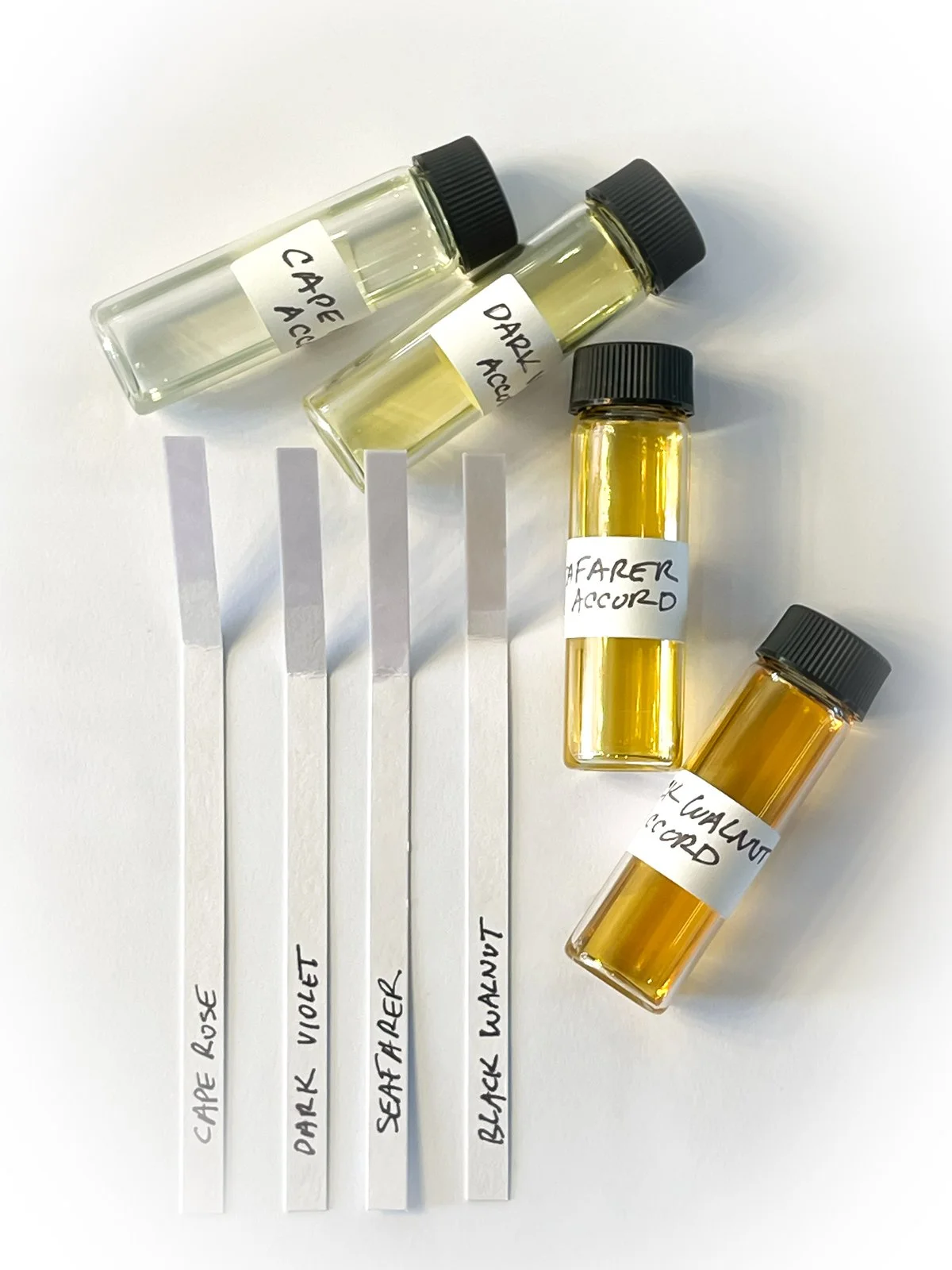
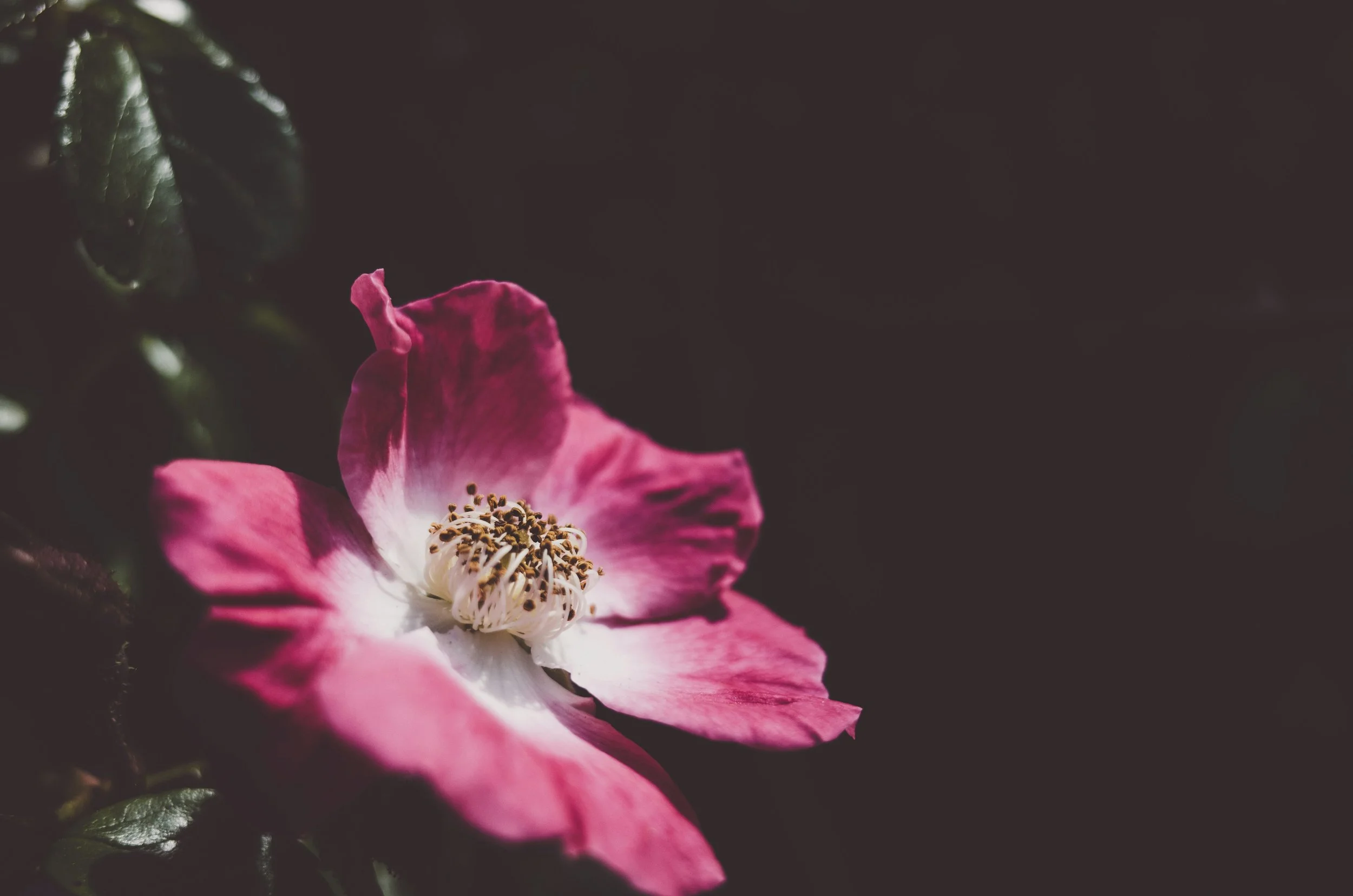


When we developed the original accords for our aétai eau de parfum, the place was the New England coastline. I was born and raised there, and I wanted to hold two truths about it simultaneously: the summertime wildflowers along the Cape, the coastal brightness and salt and joy of it, set against the amber-colored mountains in autumn, the port cities with their maritime weight, something carnal and seafaring and old. The whaling industry of the past. Those are not comfortable neighbors. But that duality is the honest emotional truth of that place, and collapsing it into one mood would have been a lie.
The way we work with our partners at Agilex Fragrances, a division of Firmenich, allows us to submit not only a narrative but actual formulas, both written and in liquid form. Their team matches the scent profile as closely as possible, making edits and substitutions as needed for regulation, while drawing on an extraordinary palette of naturals, captives, up-cycled ingredients, and molecules at the highest level of quality. But the scent architecture of the thing, the necessary emotional tensions of it, that comes from us.
Each facet of a fragrance, the florals, the darker earthy and spicy registers, the others, gets built first as its own small composition, a mini-perfume. Then those are tested against each other to determine how each will figure into the final blend, what percentage, what adjustments within each accord are needed to achieve balance. Think of a music equalizer, each accord shifted up or down until the sound is right. Then micro-adjustments within individual notes to fine-tune further. It is painstaking exhilarating. It is also where the artistry actually lives.
And when it is right, you feel it. Not intellectually. Viscerally. It is the same instinct as knowing a sauce is ready, or a painting is finished. You trust your nose, your gut, your accumulated experience, and something in you recognizes the moment. That recognition is not teachable in any direct way. It is earned.
What I think is missing in too much of the niche world is not technical skill. It is distinctiveness. It is the willingness to create from passion and genuine artistic instinct rather than from a desire to be liked by the largest possible audience. Independent perfumery, real independent perfumery, speaks to a narrower audience by design. Not as a marketing strategy. Because it has something specific to say, and it says it without softening the edges for mass appeal.
If that sounds like a narrow definition, good. That is the point. Tell me what you think separates the work you love from everything else wearing the same label.