
AI vs. Artistic Perfumery. Who wins?
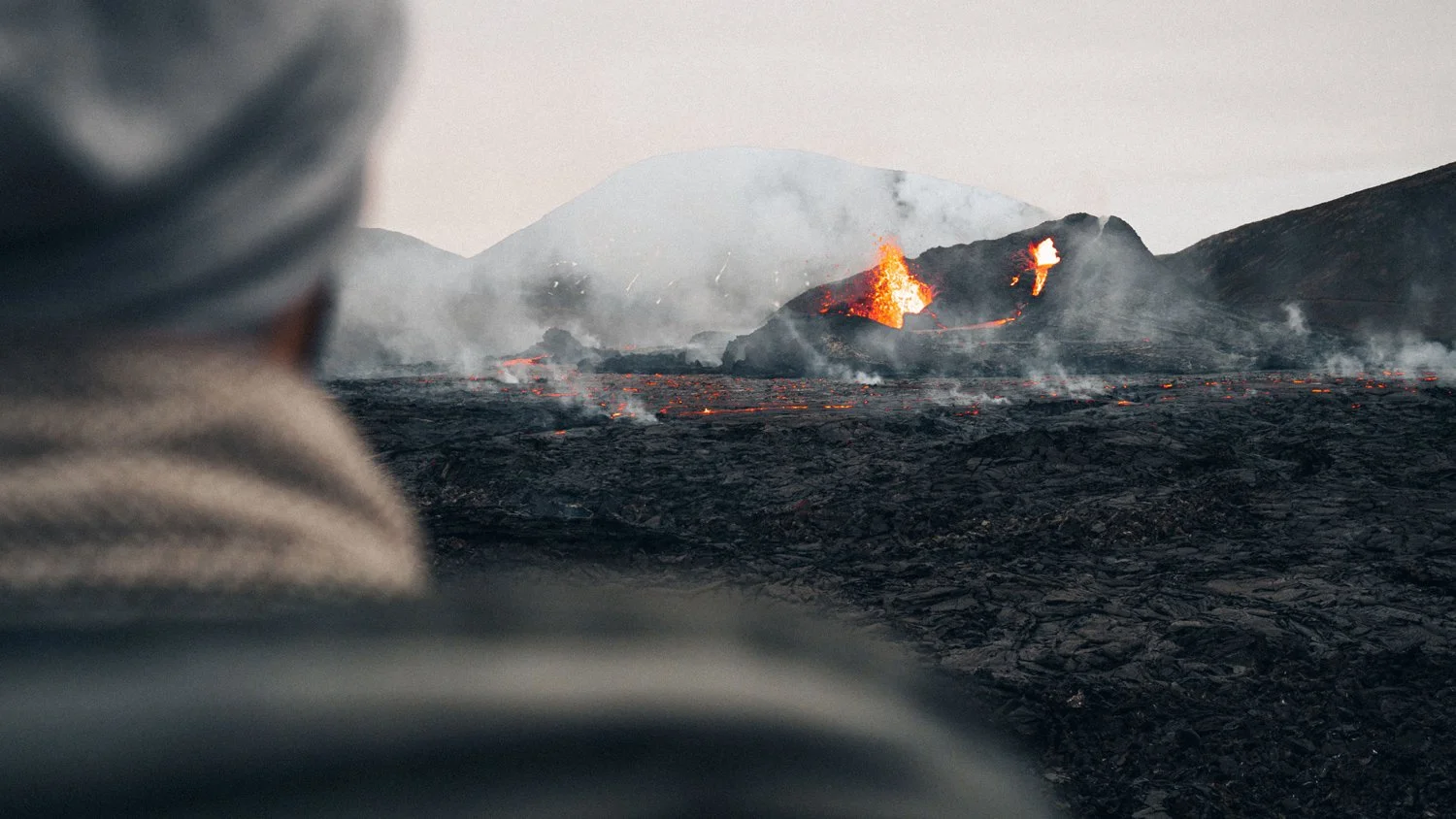
Somewhere on a volcanic island at night, the air smells of salt and minerals and something burning far away. You can feel the electricity of it. There is smoke, dark resinous wood, the ominous glow of a distant lava flow, and underneath it all, a strange brightness, like pineapple leaves cut clean and cool against the heat. That is where aka'ula began. Not in a brief. Not in a database. In an imagined landscape I let myself get genuinely lost inside.
That losing of oneself is, I would argue, the entire point.
The industry, like the rest of the world, is running toward AI. Fast and furious. And perfumery is no exception. What started as AI analyzing cost efficiencies, trend forecasting, and aiding in sustainability sourcing and metrics has moved, quietly and quickly, into something else entirely: AI creating complete fragrance formulations from scratch. The pitch is obvious. Cut costs. Accelerate time to market. Deliver something technically correct. And it works, in the way that a technically correct sentence works. Grammatically sound. Emotionally hollow.
The tension I feel is not between old and new. It is between the human and the sterile. Between a creative process that is alive and 'messy' and full of wrong turns, and a process that begins with a script and ends with a polished answer.
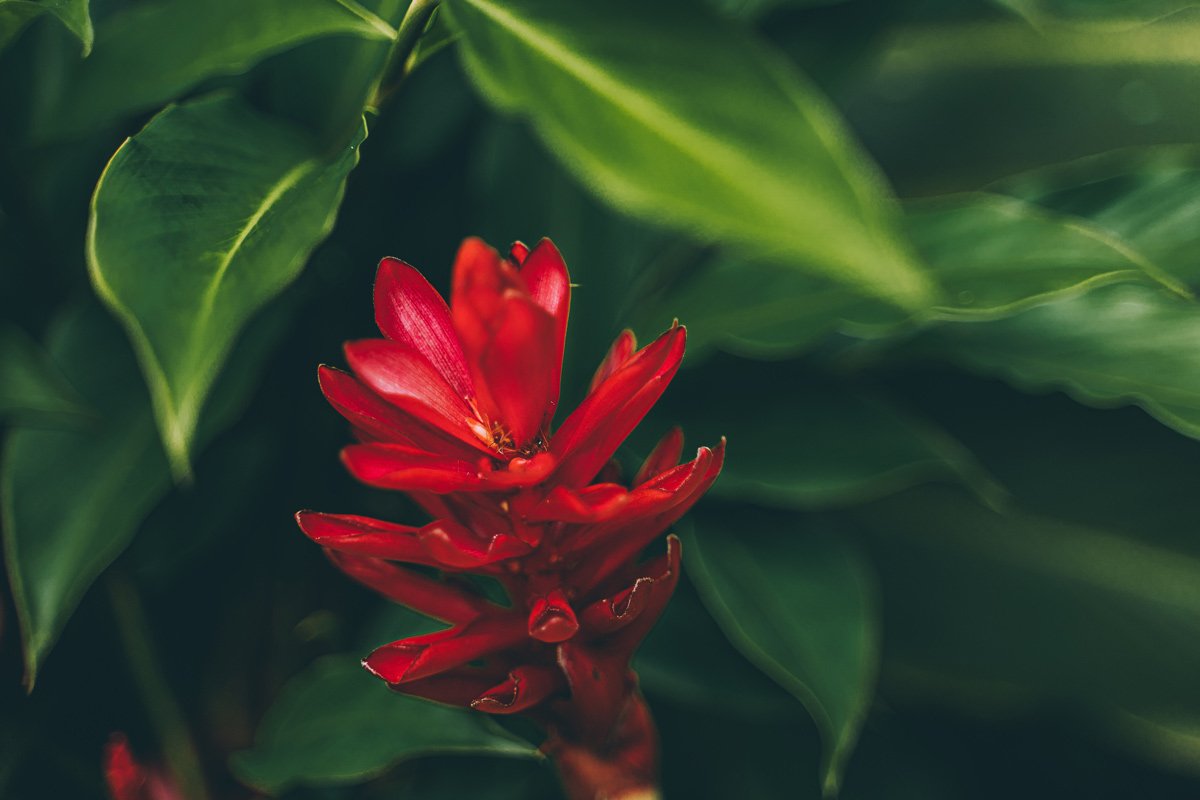
When I immerse myself in a new fragrance, I lose myself a little in the landscape, the mood, the imagined textures and layers of the narrative I am trying to build. With aka'ula, we started with a mineral-based smoke note. Something peaty and dark. We built dark resinous woods and leather into the accords, drawn to the idea of an evening fragrance, tropical but not floral, with a fruit note that felt more cleansing than sweet. Pineapple leaves, not pineapple. The contrasts matter enormously in everything we make. So from that darkness we needed brightness that still made sense. Marine ozonic notes came in, algae, ginger. A cocktail after a luau on a black sand beach, excitement and seduction sitting right next to something ominous.


Could an AI system take that script and produce something interesting? Honestly, probably yes. But the script itself is not where the fragrance was found. The fragrance was found in the middle, in the mess of it. In the joy of imagining being immersed in the landscape, seeing, touching, smelling and feeling the surroundings. Much in the same way a riveting book transports you.
Much of our time is spent contemplating. Thinking, adjusting the narrative, sitting with an idea until it shifts. And then when we start blending, sometimes what you thought would work simply does not. That failure is not a setback. It is the most productive moment in the entire process. From a pairing that does not quite fit comes a new pairing you never would have considered. Sometimes that new pairing is so unexpectedly right that you follow it entirely and write a new narrative around it. The fragrance becomes something you did not plan. Something better than what you planned.
That is where the life is. In the uncharted part.
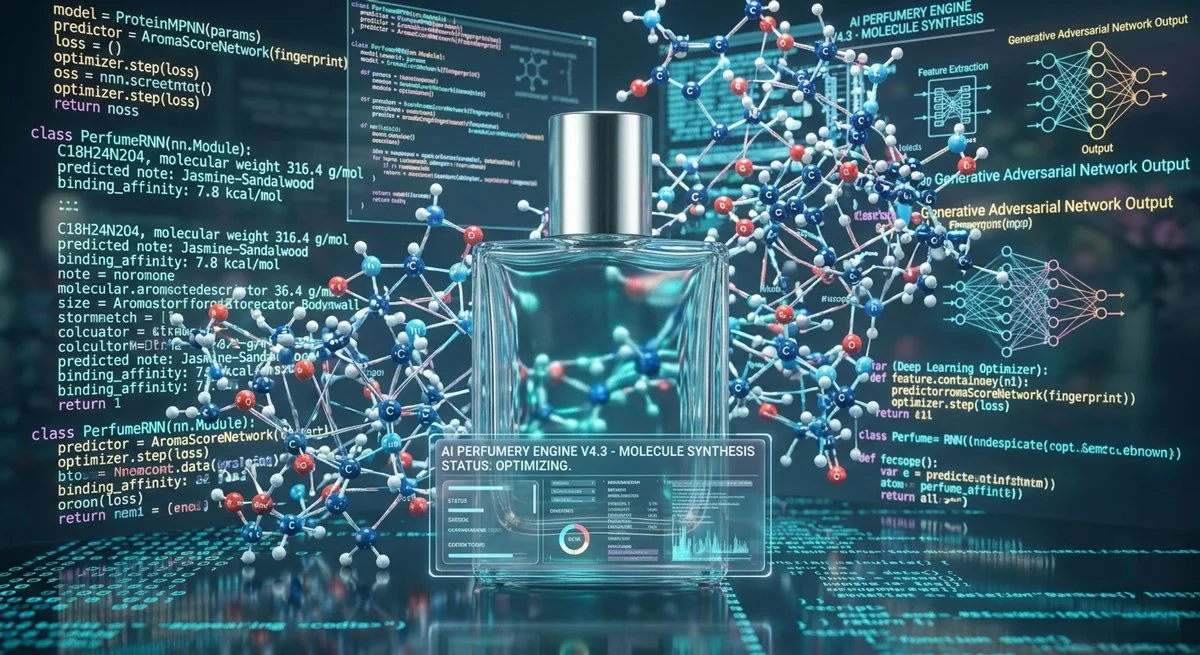
AI is genuinely effective at delivering back a technically refined version of what you give it. If you submit a narrative and it returns something that satisfies the brief, why would you push further? You probably would not. And that is exactly the problem. The exploration gets limited to final touches rather than the uncharted path. The undiscovered stays undiscovered. The perfume arrives polished and competent and somehow already finished before it was ever really alive.
Fragrance is volatile. It is meant to be alive and in movement. The creative process, in all of its necessary and sometimes uncomfortable steps, gives life and texture to a final scent the same way imperfection and surprise give life and texture to music, to fine art, to cooking. Truncate that process and you lose the place where both the successes and the so-called failures live. And those failures, let me be clear, are where perfection hides.
For now, many perfumers working with AI are still hand-tuning the outputs, adjusting to their own taste and aesthetic. But that is changing. The industry is already moving from AI as a productivity tool toward AI as the author, and that shift happened without much ceremony. We were not paying close enough attention, or perhaps we were paying attention and just hoping it would slow down.
I do not think we have lost entirely. But I think we are past the moment where we could simply call AI a useful instrument and leave it at that.
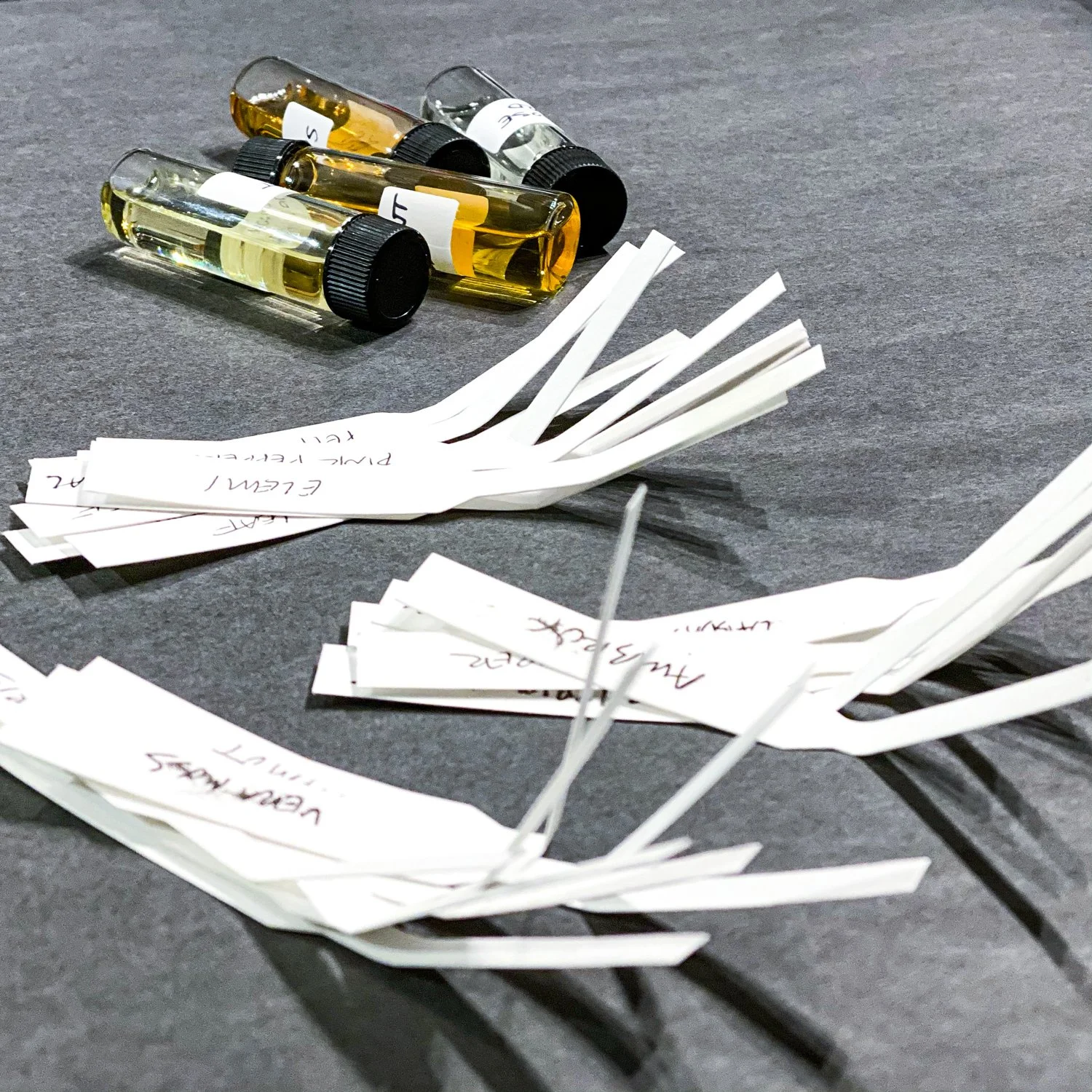
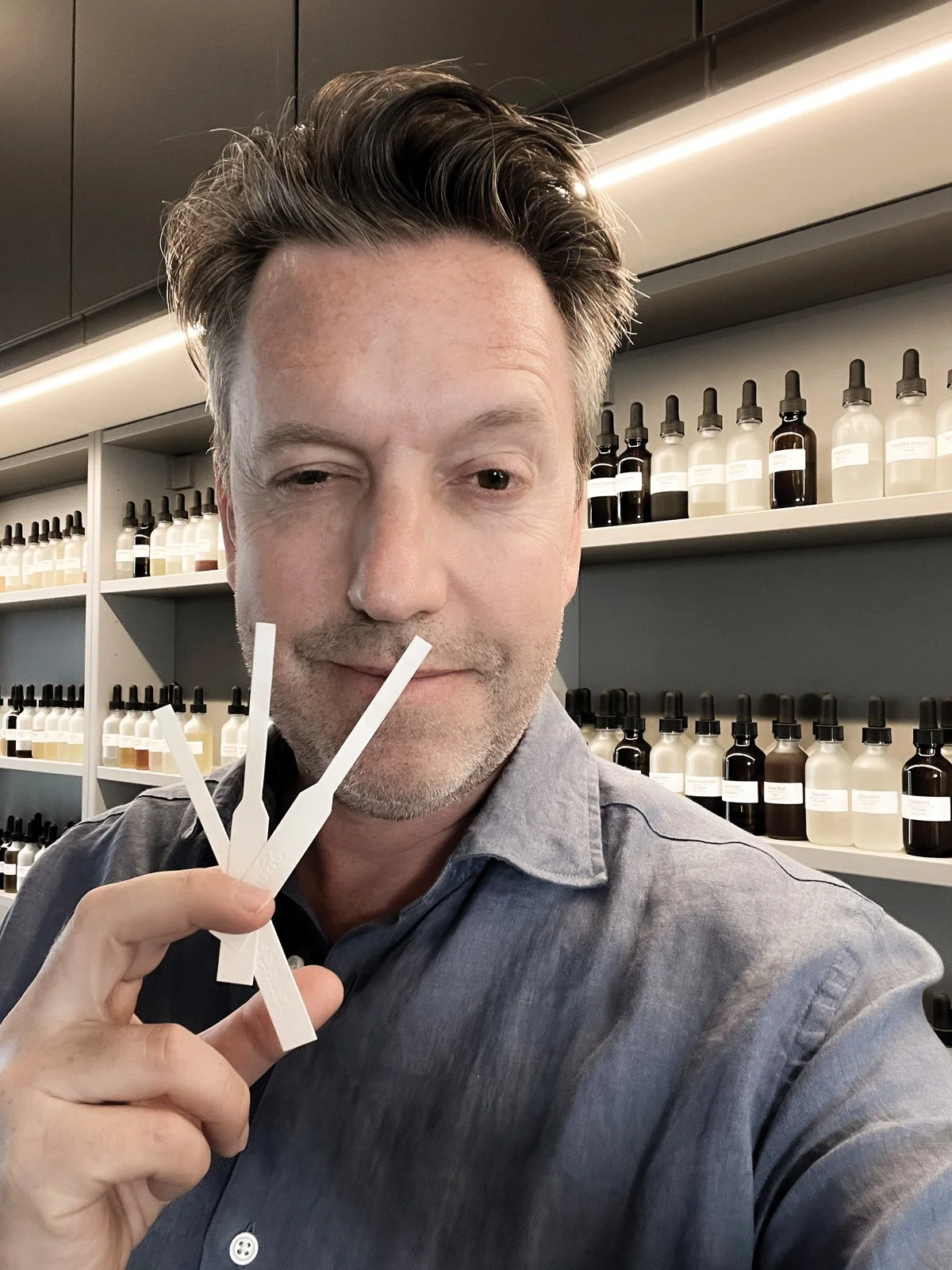
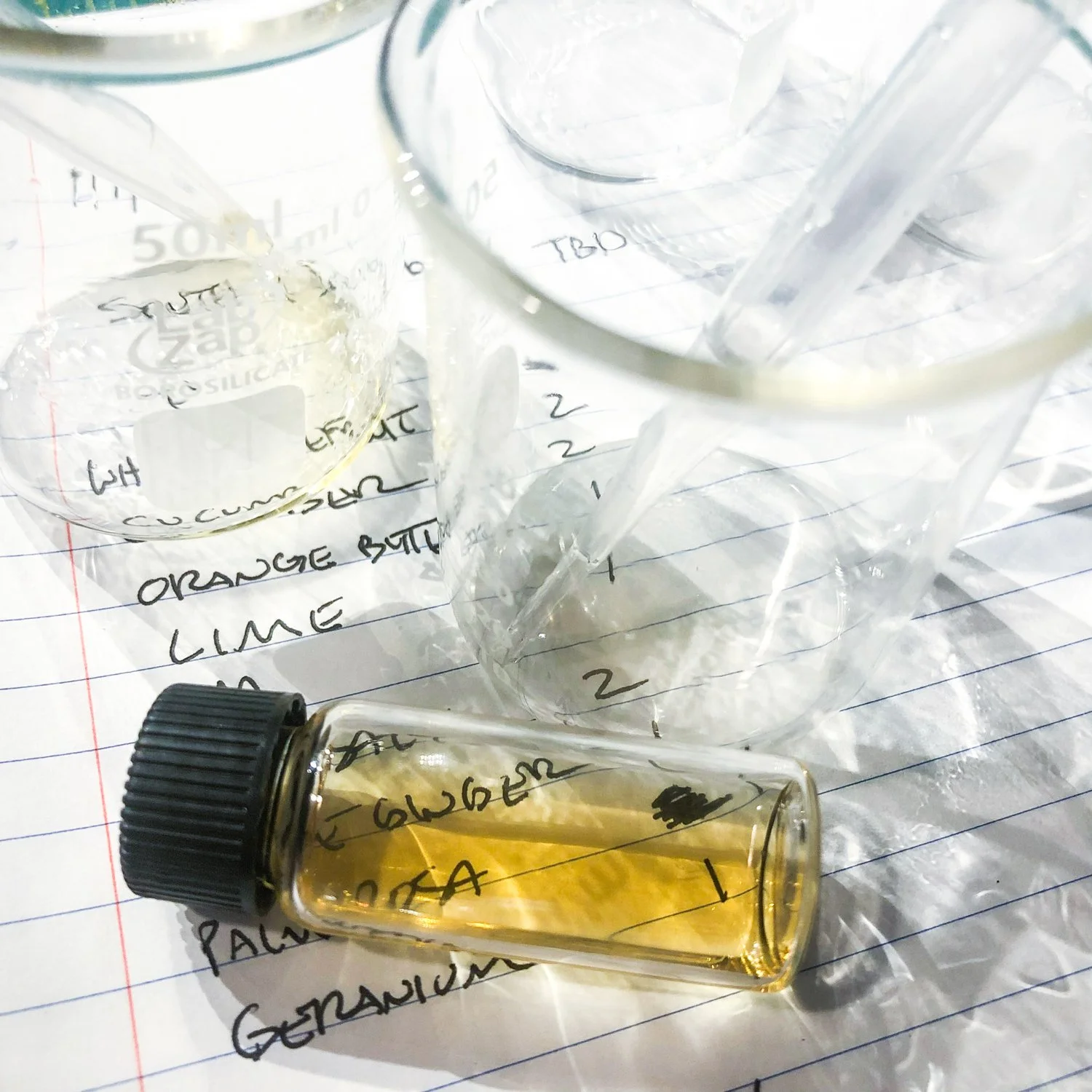
What I am genuinely optimistic about is this: there will always be a real and valued division between artistic perfumery made by noses, with pen and paper and beakers and droppers and long afternoons of getting it wrong, and AI perfumery, which will inevitably serve the commercial segment, even within what calls itself niche, unfortunately. One will be artistic. One will be efficient. And people who truly love fragrance, even if they cannot always articulate why, will know the difference. The way a listener knows, even subconsciously, the warmth of vinyl against the clean flatness of a digital file.
Those who love perfumery will gravitate toward the former. I have to believe that. As the world is more and more digitized, analogue sounds like a revelation. A disruptor. The stories that matter are the ones that unfold in chapters, earned through the mess and the discovery and the surprise of a creative process that was never entirely under control.
That is not a flaw in artistic perfumery. That is the whole argument for it.
I would genuinely like to know where you stand on this. Oh, and by the way, I had some help writing this blog with AI...Just not my fragrances!!
Double-click to edit...