
Five Natural Ingredients I Keep Coming Back To
The process of fragrance/perfume making is close to invisible from the outside, I thought it was worth pulling back the curtain a little, not to explain the mechanics, but to share the natural ingredients that keep showing up in my work, the ones I reach for again and again, and why. Because the why is really the whole story.
Every fragrance we make begins with a place. A specific, physical, visitable place. For our eau de parfum monto'ac, it was the mid-Atlantic coastline of South Carolina, where the Appalachian foothills roll south and finally give way to the sea. Coastal oaks draped in hanging moss. Rich, dark forest floor. A landscape with deep cultural memory. For aka'ula, it is the volcanic coastline and lush botanical corridors of Hawaii. For nahasá, our new eau de parfum arriving next month, it is the diversity of the Southwest from the high desert plain to the fertile valleys. Each fragrance starts there, in that imagined or lived moment, and then the work is to translate that moment ingredient by ingredient, accord by accord, until something true comes out the other side.
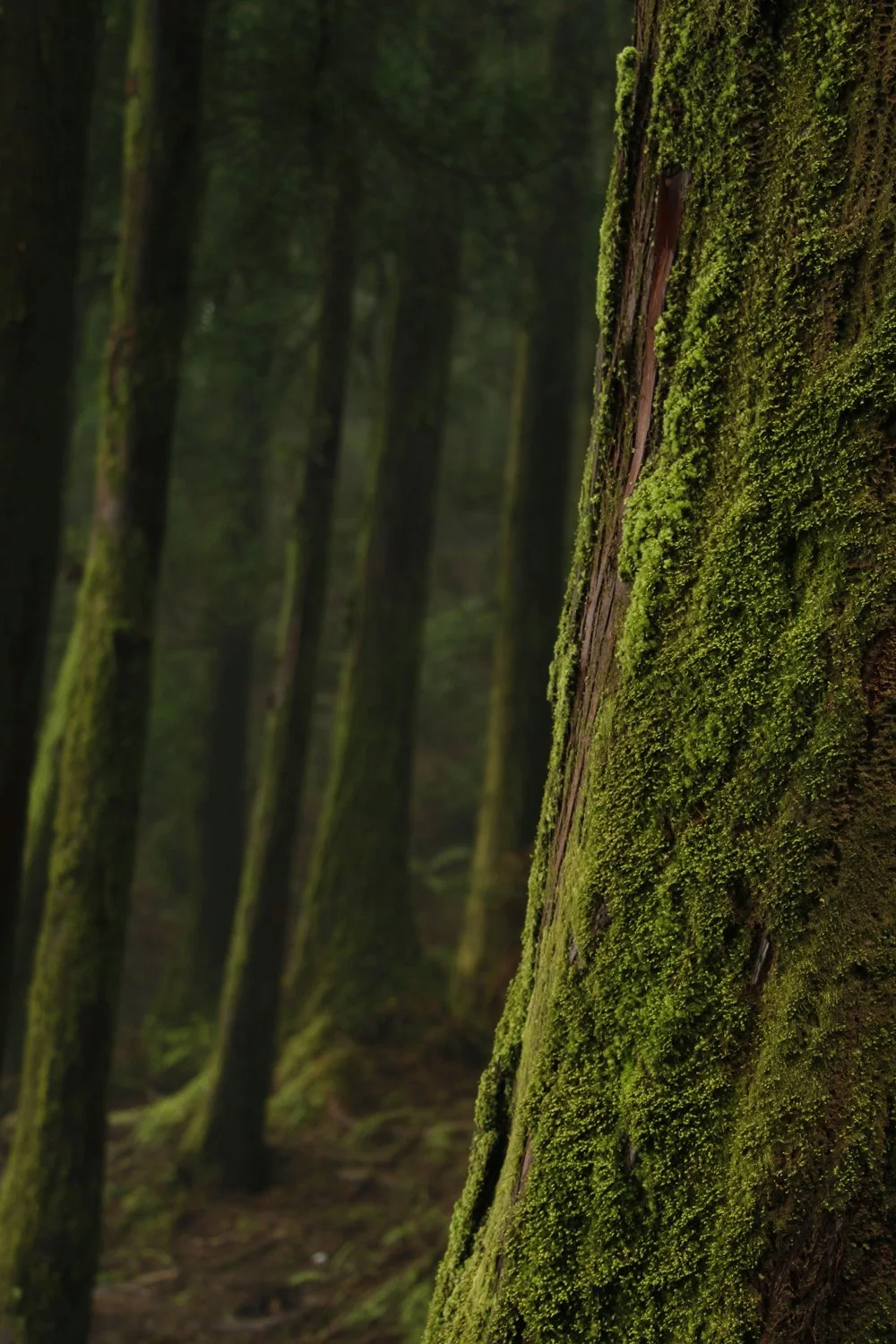


So when I talk about favorite natural ingredients, I am not talking about ingredients that only smell universally beautiful on a test strip. I am talking about ingredients that do real work inside a composition. Like a chord in music, each note affects every note around it. The question I am always asking is not whether I like this ingredient on its own, but what it does in the mix. That distinction matters. I tell visitors to our studio that there are single ingredients I do not enjoy at all in isolation, a drop of castoreum for example, which is frankly awful, fecal on its own, can give a fragrance elegance and depth that nothing else quite achieves. That is the reality of this work.
With that said, here are five natural ingredients I genuinely love and return to often.
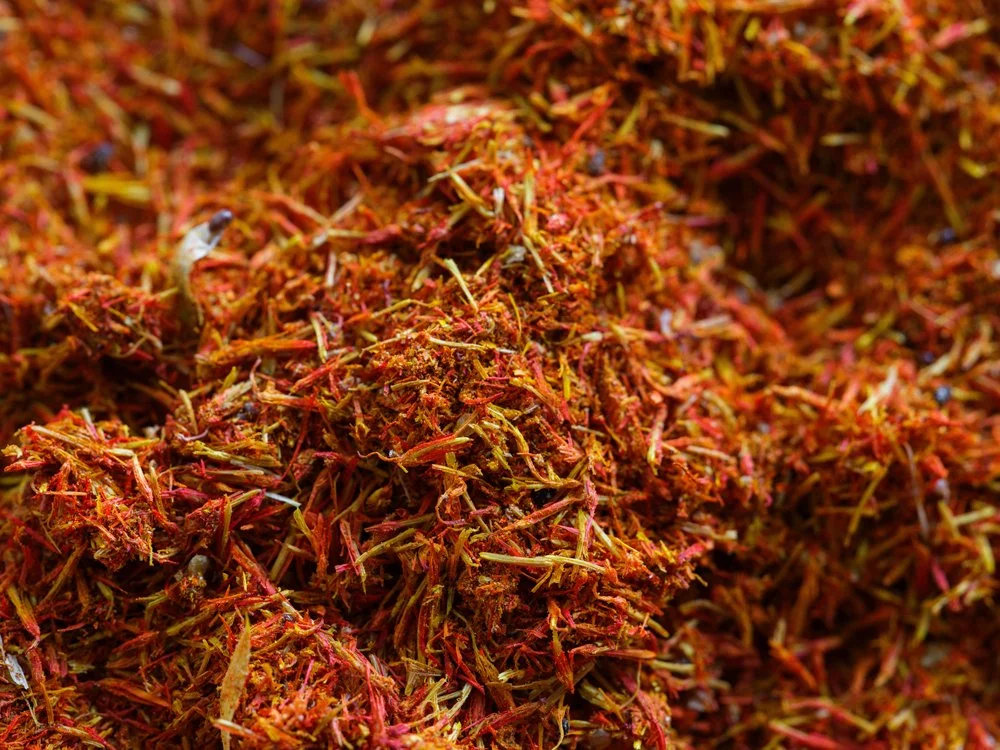
Saffron is one I find endlessly useful. There is a suede-like smell and softness to it, something almost tactile, that sits beautifully in the base of a fragrance and gives it a kind of quiet luxury. It is not loud. It earns attention slowly. You will find it in monto'ac, where it works alongside tobacco and sage to honor the indigenous culture of that South Carolina landscape, a deliberate nod to the people who gave voice to that land long before anyone thought to bottle its spirit.
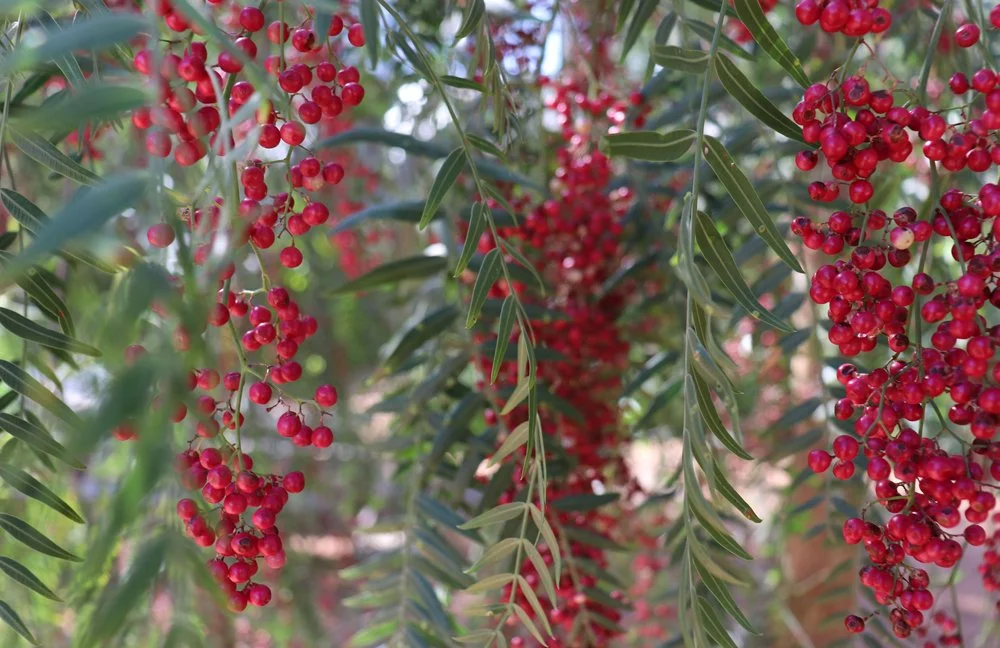
Pink pepper is one I come back to for its versatility. It reads as woody, faintly floral, and spiced all at once, which makes it genuinely useful as a bridge between notes that might otherwise sit awkwardly next to each other. It deepens florals and elevates woods, adding complexity without overwhelming them. It lives in aétai, where that bridging quality is doing real structural work between the wild flower accords and the amber-woods heart.
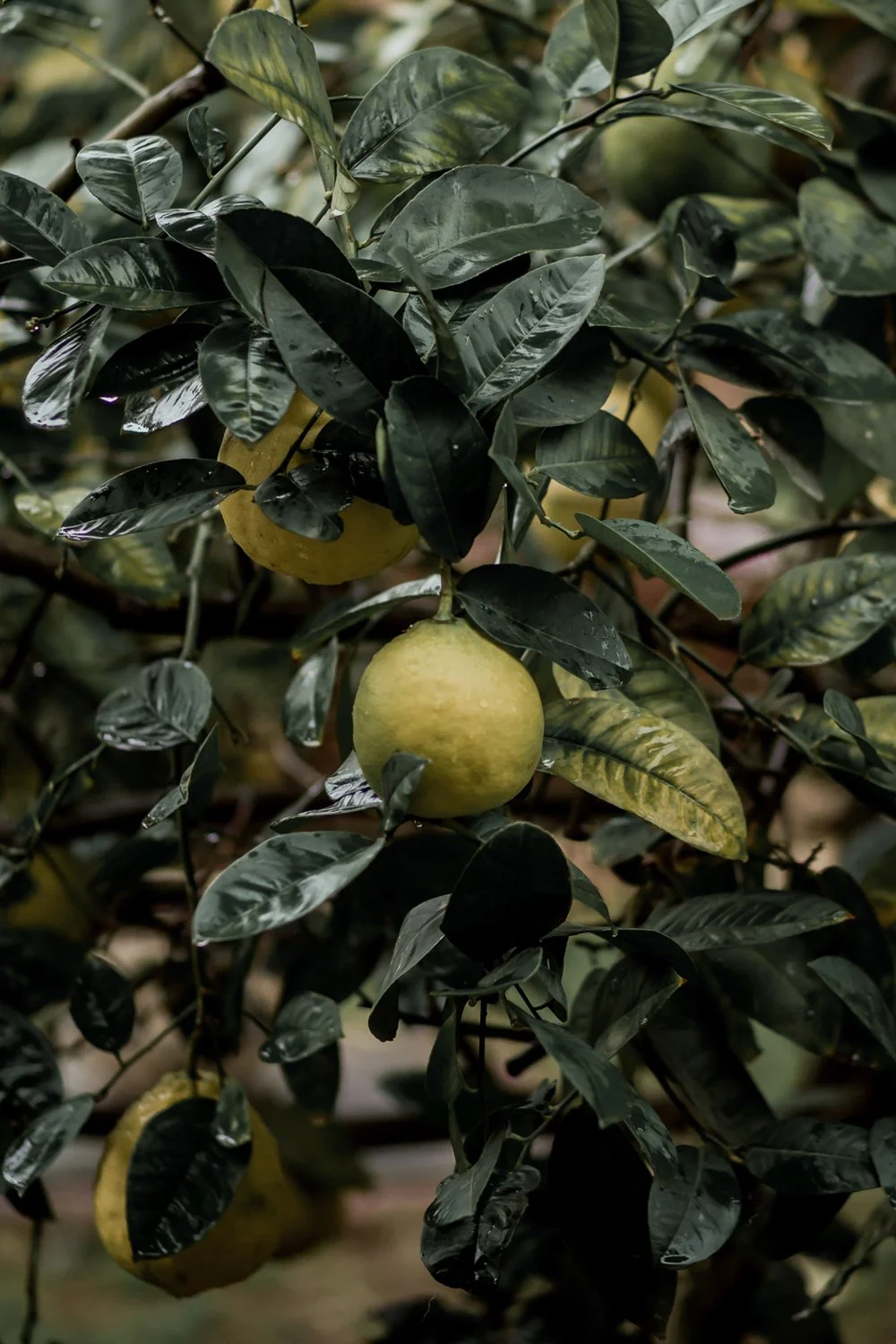
For citrus, I always come back to bergamot. Not because citrus is a safe choice, but because bergamot specifically manages to be clean and fresh without sliding into anything that smells like a cleaning product. That distinction is harder to achieve than it sounds. It opens a fragrance without announcing itself too aggressively, which is exactly what you need when the denser, richer notes beneath it need room to develop. You will find bergamot in ki'lei, alongside bay laurel, where together they create a kind of luminous, green-coastal opening that earns everything that follows.
In the wood category, cedar himalaya is the one I reach for when I want something robust and genuinely sweet without going resinous or too heavy. There is a warmth to it that reads almost like comfort, a depth that grounds a fragrance without pulling it underground. A new home scent, laurus, we developed in Italy is built around it, and I think when people smell it they will understand immediately why I find it so compelling.
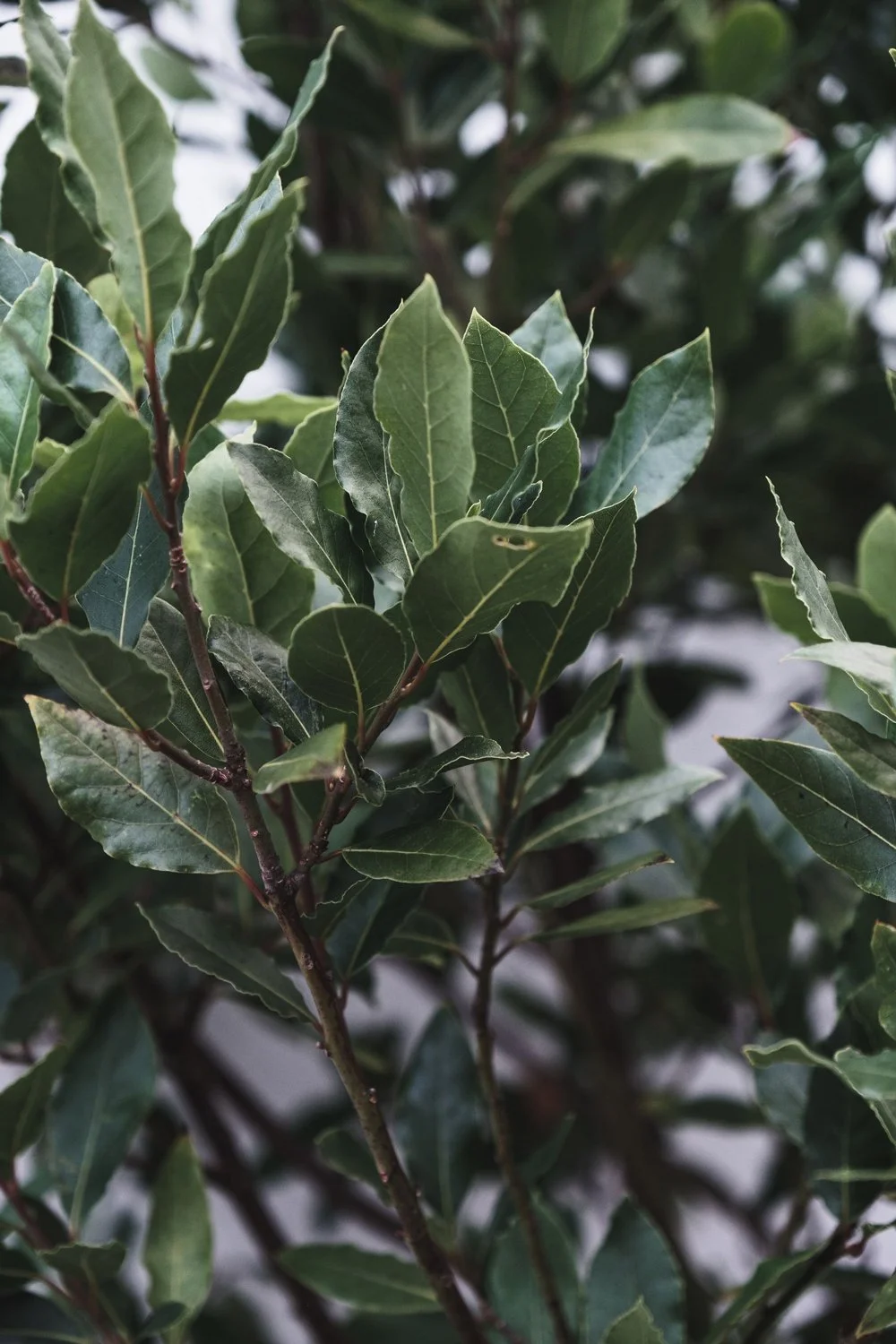
And then there is bay laurel. This one is personal in a way the others are not quite. I cannot walk down a village path here in Tuscany without reaching for a leaf and crushing it between my fingers. The scent that comes off it is immediate and almost violent in the best possible way, balsamic, camphorous, powerful, green. It stops you. It makes you pay attention. In a fragrance, that same quality can be used to elevate and accentuate freshness in other notes, to kick up the volume on something earthy or aromatic that might otherwise sit too quietly. Bay laurel is in ki'lei, working its magic in the petrichor accord adding aromatic assertiveness to damp earth notes.
That connection between the hillside and the studio is not incidental. It is the whole point. The moment of crushing a leaf and the methodical work of building an accord are not separate things. One feeds the other. The place becomes the fragrance because the ingredients carry the memory of the place inside them, and the job is to arrange them honestly, so that someone standing in a room in a city somewhere can, for a moment, feel the coastal oak and the moss and the particular quality of light in a landscape they may never have visited.
I should say clearly that our eau de parfums are complex compositions. Each of these five ingredients is one voice among many in each fragrance. None of them is the whole story. But each one belongs, and that belonging is something I test and trust and never take for granted.
If any of this raises questions about how we work, or about any of these ingredients specifically, I would genuinely like to hear from you. That conversation is always worth having.
Double-click to edit...